
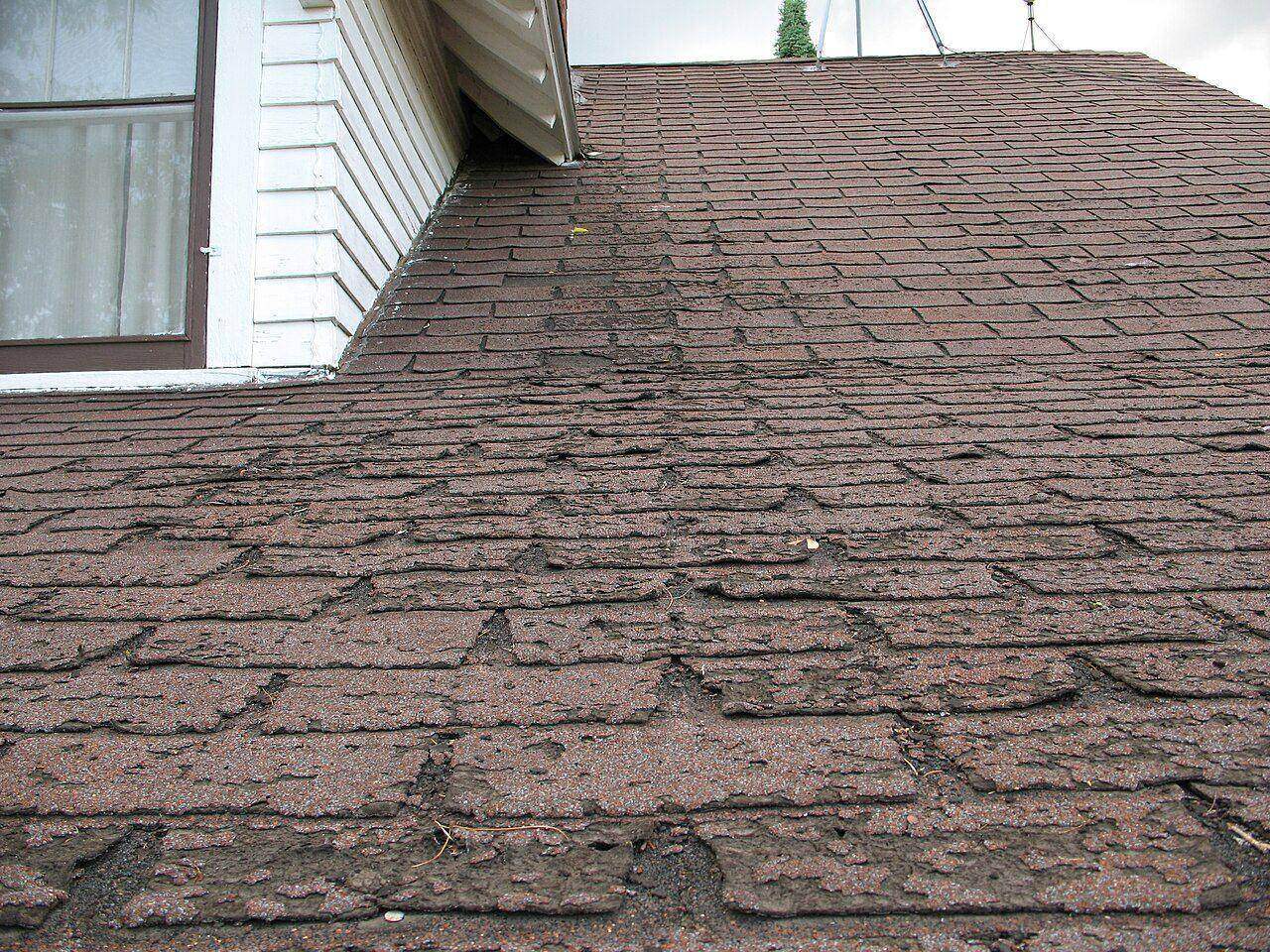
Granule loss
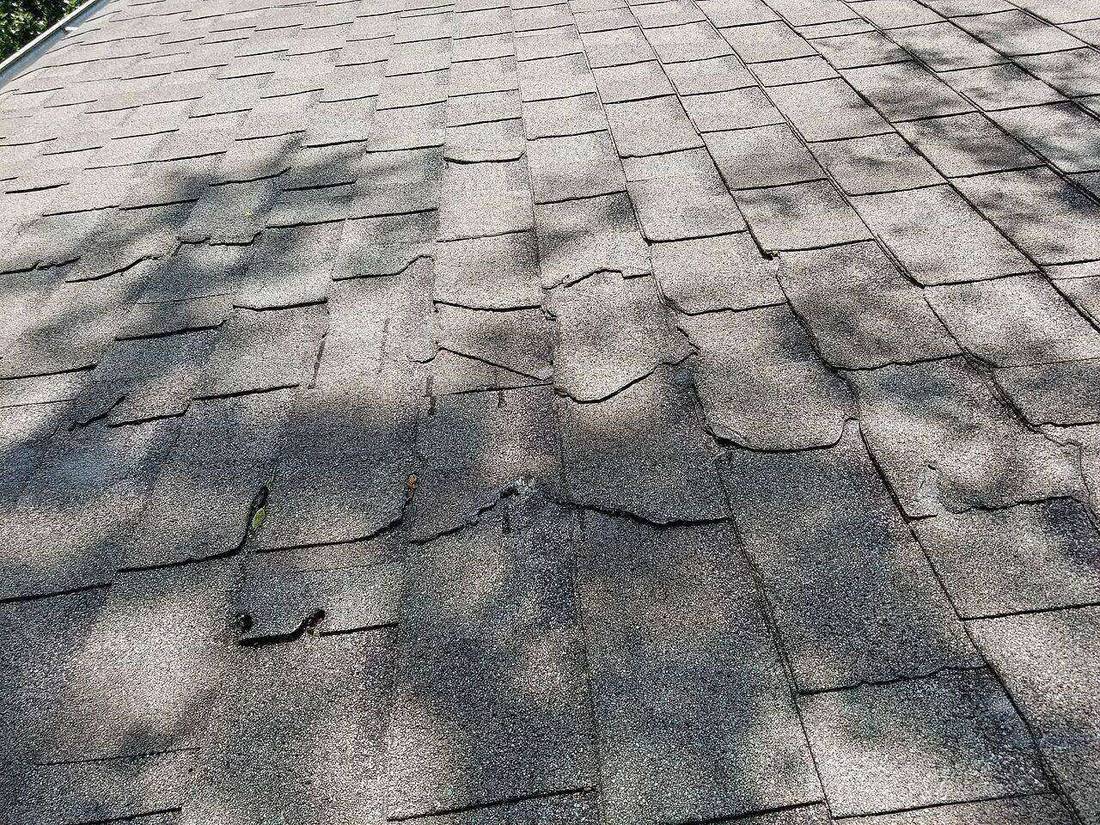
Granules are the protective surface of the shingle. When they wear away, the darker asphalt layer becomes more exposed and the shingle can age faster.
UV exposureAgingHail impact
A roof can look fine from the ground while shingles are losing granules, lifting in the wind, cracking, bruising from hail, or letting water work underneath. This guide explains what roof damage looks like, why it matters, and how Robertson Roofing & Siding helps homeowners choose the right fix.
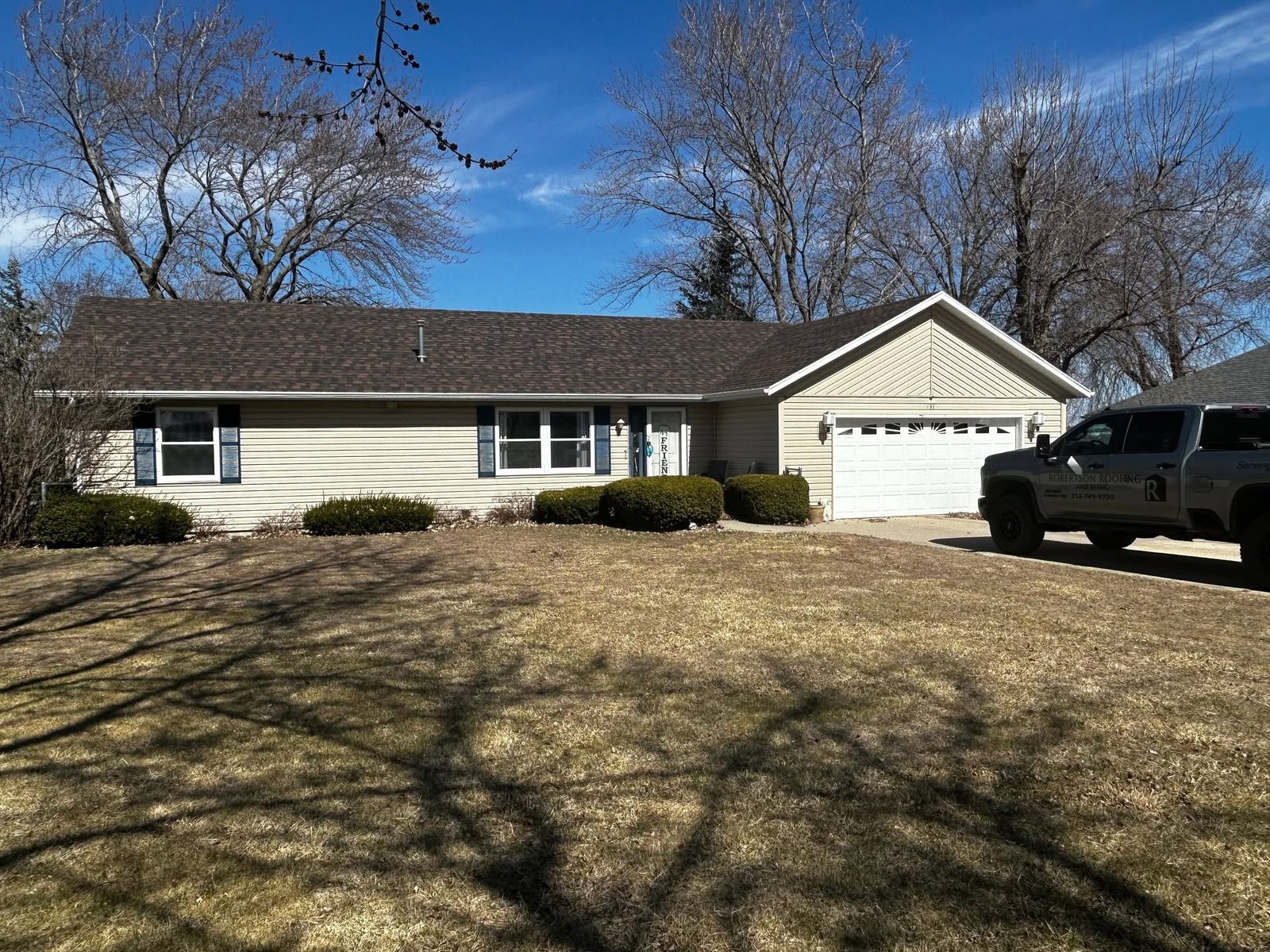
Asphalt shingles are a water-shedding system. Each course overlaps the row below it so rain, snowmelt, and debris move down the roof instead of into the house.
Age, sun exposure, heat, freeze-thaw cycles, poor ventilation, debris, and repeated storms can slowly break down the parts of a shingle that keep the roof sealed and water-shedding.
Granules are the protective surface of the shingle. When they wear away, the darker asphalt layer becomes more exposed and the shingle can age faster.
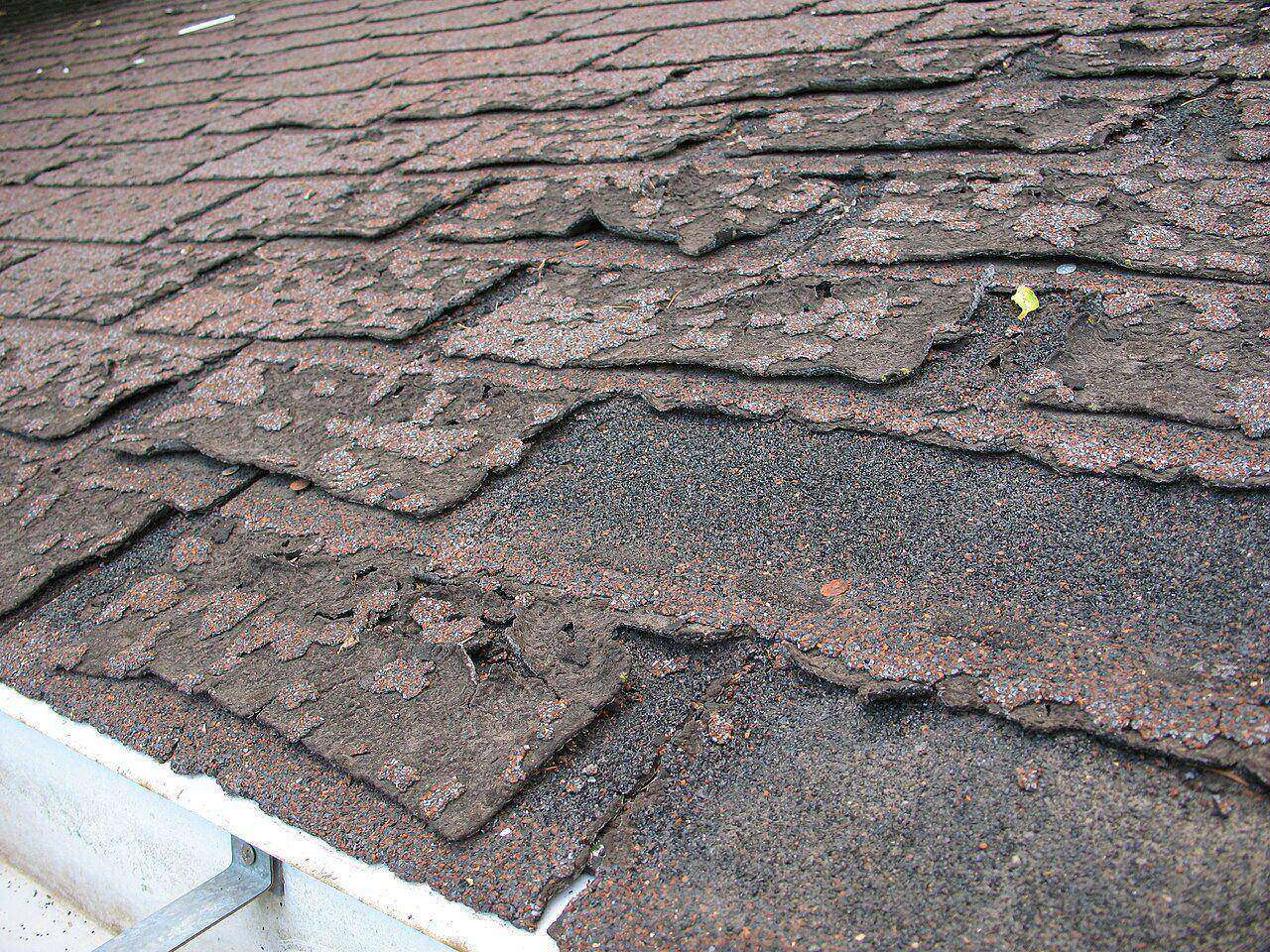
Edges may lift as shingles dry out, lose flexibility, or age. Lifted edges make it easier for wind-driven rain to get underneath the shingle surface.
When shingles become brittle, they are harder to repair cleanly and more likely to crack, split, or break during storms or attempted spot repairs.
A damaged shingle does not always create an immediate drip inside the house. Sometimes the first problem is hidden under the roof surface.
High wind can break the seal between shingle tabs. Once a tab lifts, the shingle may crease, crack, loosen, or tear off completely. Wind damage often starts at roof edges, corners, ridges, valleys, and exposed slopes.
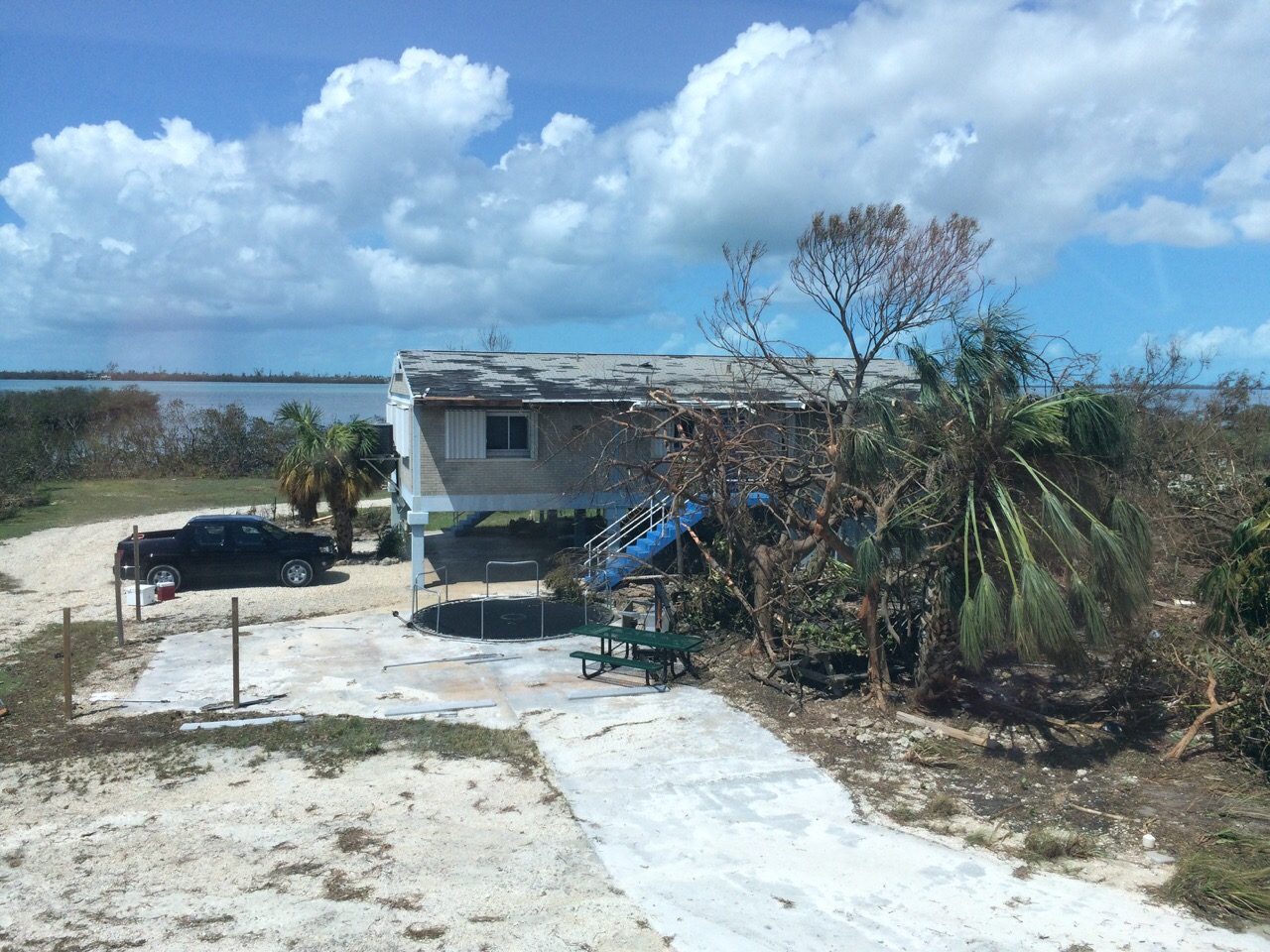
Wind can loosen the bond between shingle tabs. A lifted tab may settle back down and look nearly normal, but it may no longer be sealed correctly.
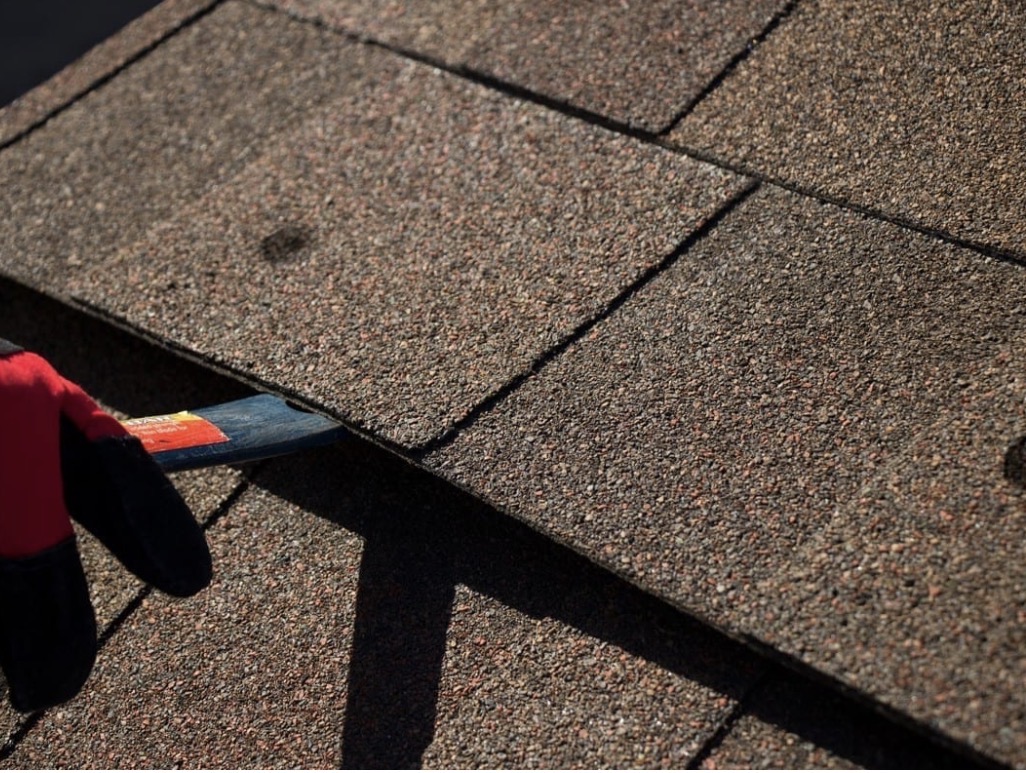
A shingle that has bent backward can develop a weak crease. Missing shingles expose the layers underneath and should be repaired before more weather reaches the roof system.
Hail does not always punch a hole through the roof. It can knock away granules, bruise the shingle mat, mark soft metals, dent vents, and shorten the life of the roof even when leaks do not show up right away.
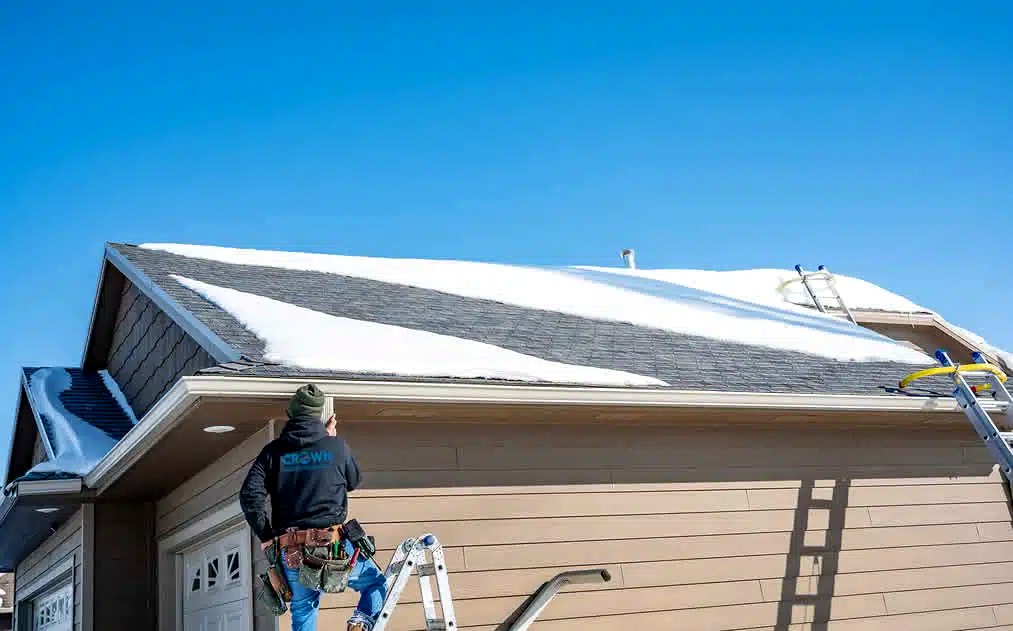
Hail impact may show as dark spots, circular marks, bruising, or areas where granules have been knocked loose.
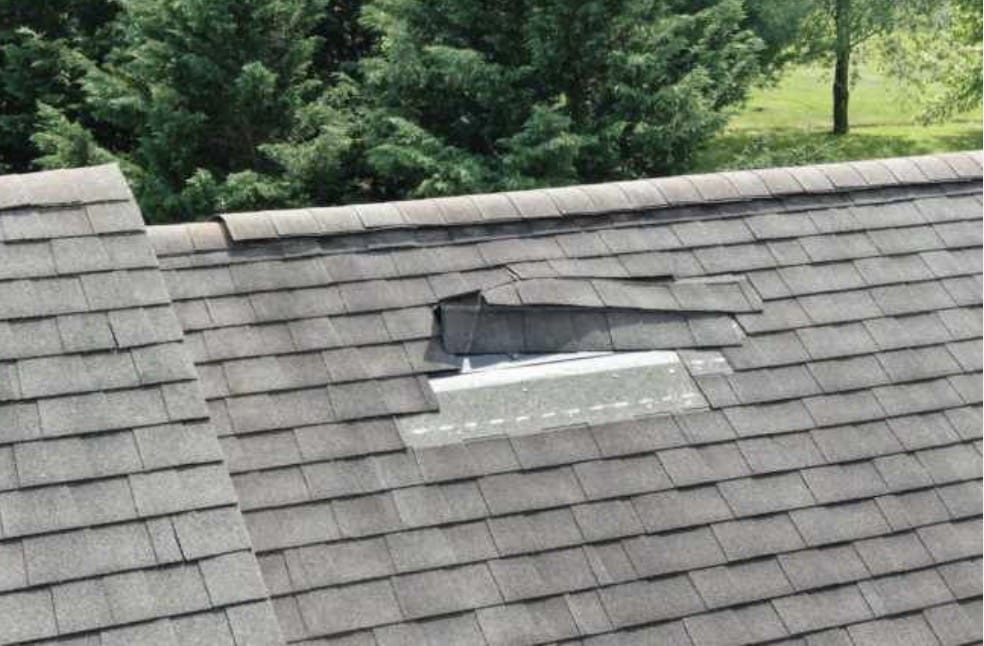
Some storm damage is isolated. Other storms affect multiple slopes, vents, gutters, ridge caps, valleys, and surrounding materials.
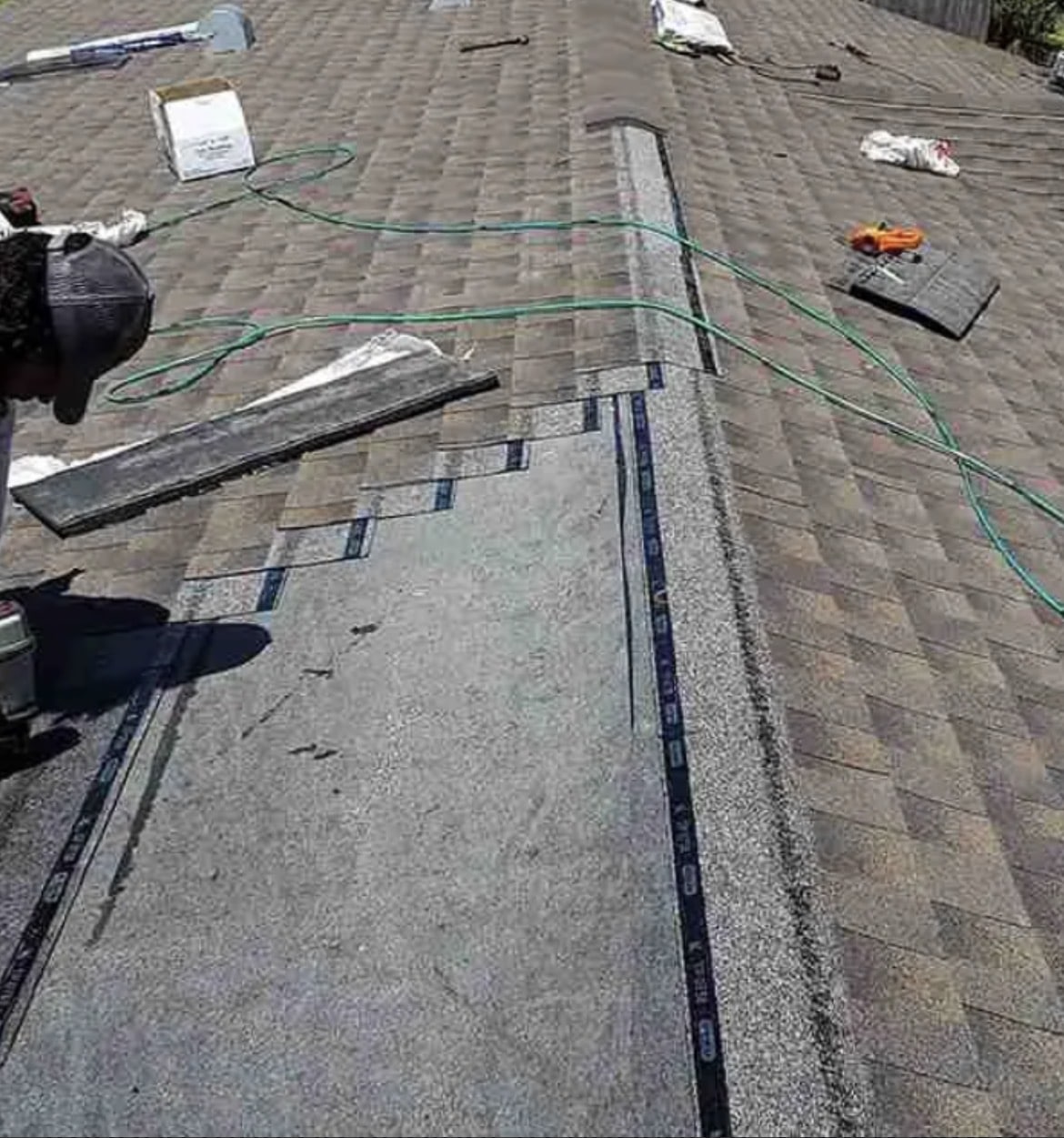
Hail-damaged shingles may keep shedding water for a while, but impact damage can reduce their ability to perform over time.
High winds and hail get the most attention, but roofs also deal with ice, heavy rain, branches, debris, heat, and ventilation problems. These issues can work together and make small weaknesses worse.
Branches can scrape granules, puncture shingles, damage gutters, or leave debris trapped in valleys and transitions where moisture can sit.
Excess attic heat and poor roof ventilation can stress shingles from underneath and contribute to premature aging.
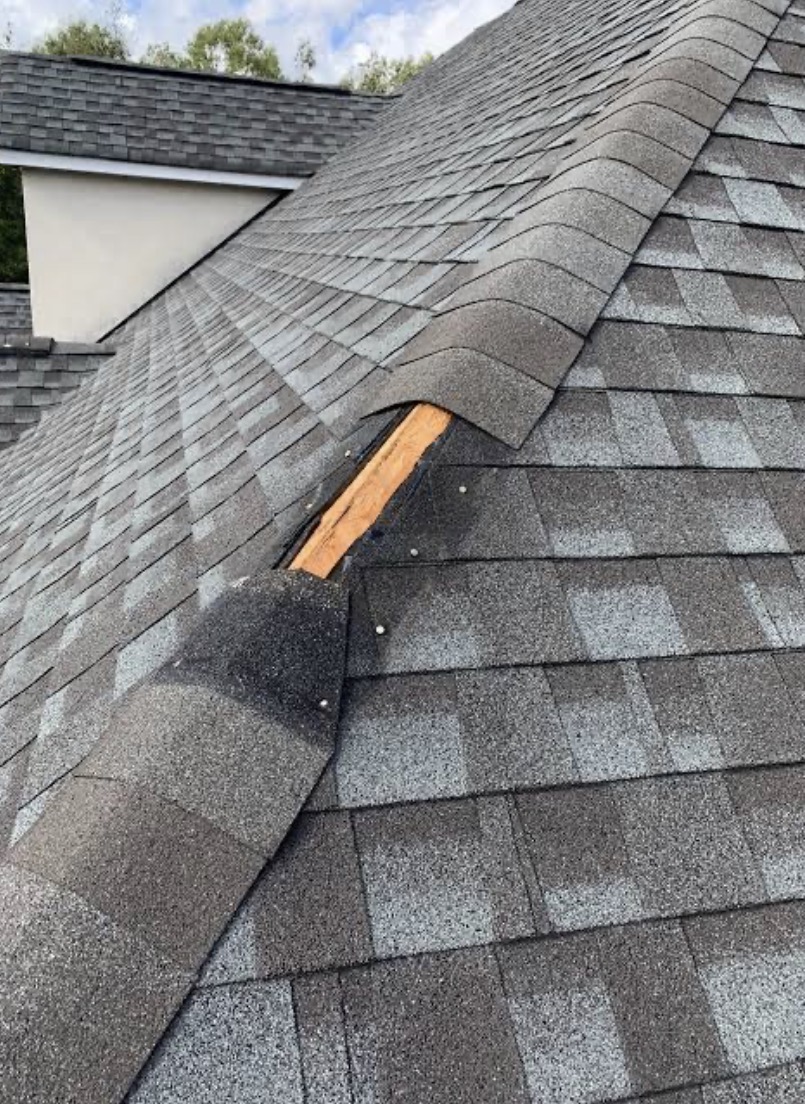
Water concentrates in valleys and around roof transitions. Damaged flashing, ridge caps, and edge details can create weak spots even when most shingles look good.
The right answer depends on the age of the roof, how widespread the damage is, whether matching shingles are available, whether the shingles are brittle, and what the roof system looks like underneath.
Look at the shingles, roof edges, ridges, valleys, flashing, vents, gutters, soft metals, and any interior leak signs.
Age, brittleness, previous repairs, ventilation, decking condition, and shingle availability all affect the recommendation.
Small isolated damage may be repairable. Widespread storm damage or an aged, brittle roof may call for replacement.
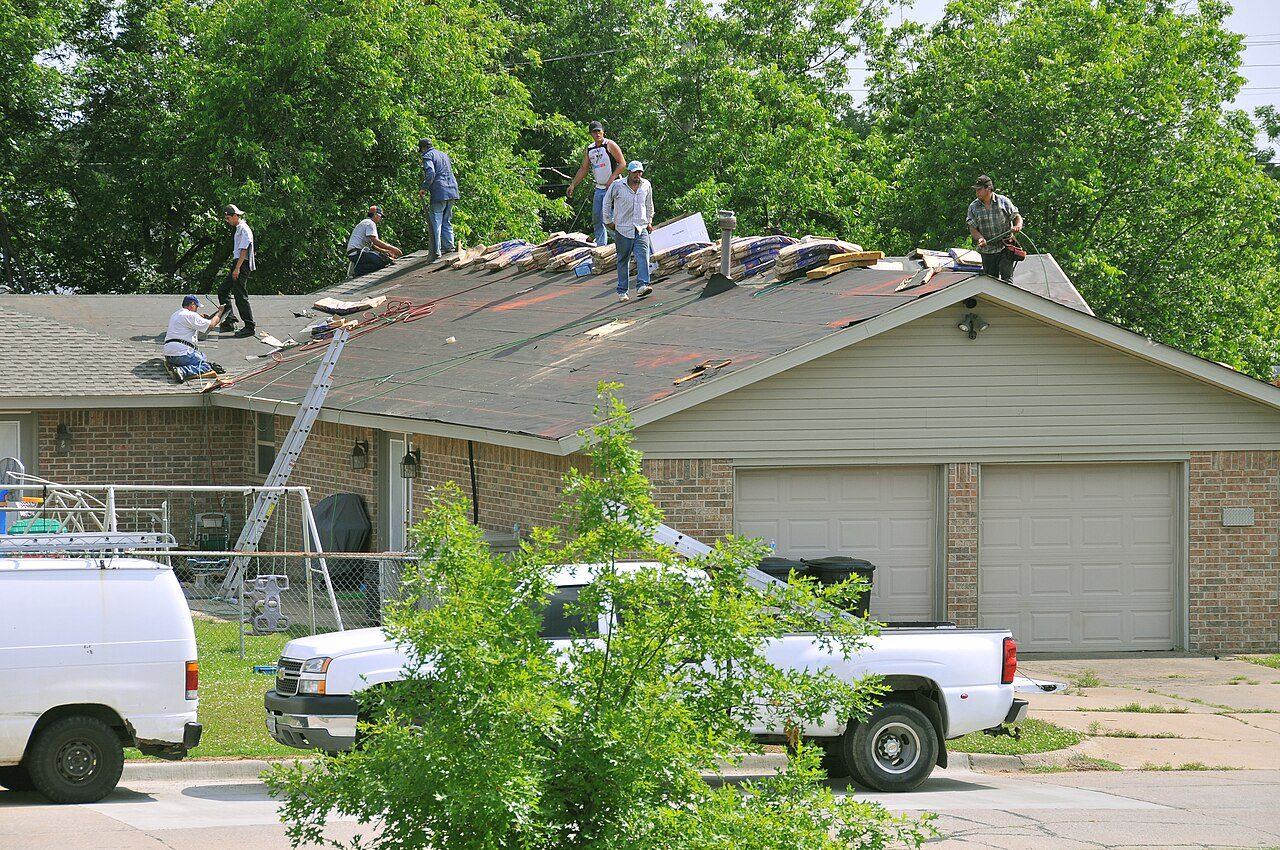
A repair may be the right call when the damage is limited, the surrounding roof is still flexible and sound, and the new materials can blend with the existing roof.
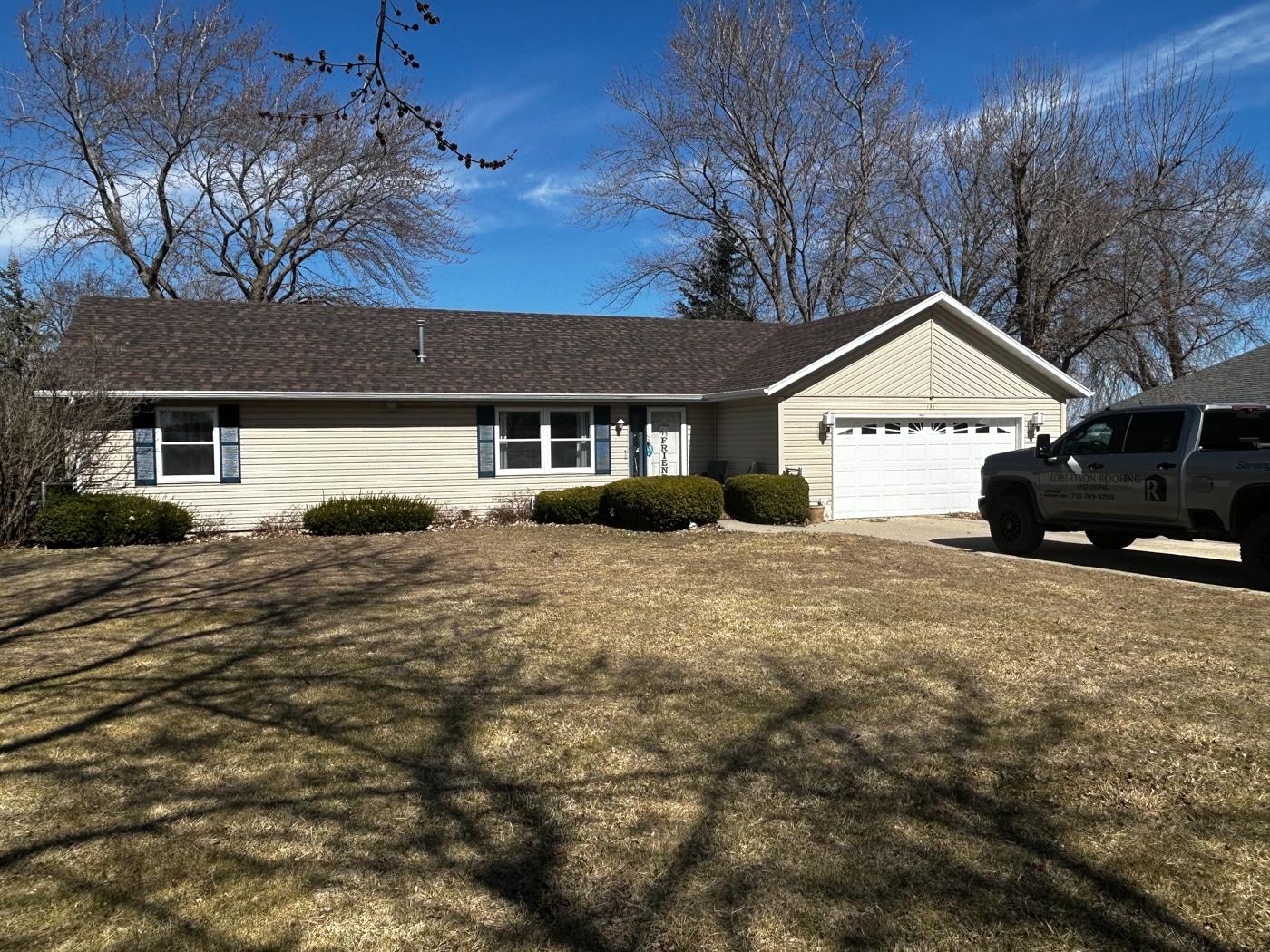
Replacement may be the better long-term option when damage is widespread, the shingles are brittle, the roof is near the end of its life, or repeated repairs no longer make sense.
If your roof was damaged by wind, hail, or another storm event, Robertson Roofing & Siding can inspect the roof, document visible damage, and explain the repair work that appears to be needed.
Roof damage can start small, especially after wind or hail. If your roof has been through a strong storm, a quick inspection can help determine whether the roof is still sealed and functioning properly.
These examples show common roof details, repair areas, and finished roofing work. A professional inspection can help determine whether your roof needs a small repair, additional maintenance, or replacement.
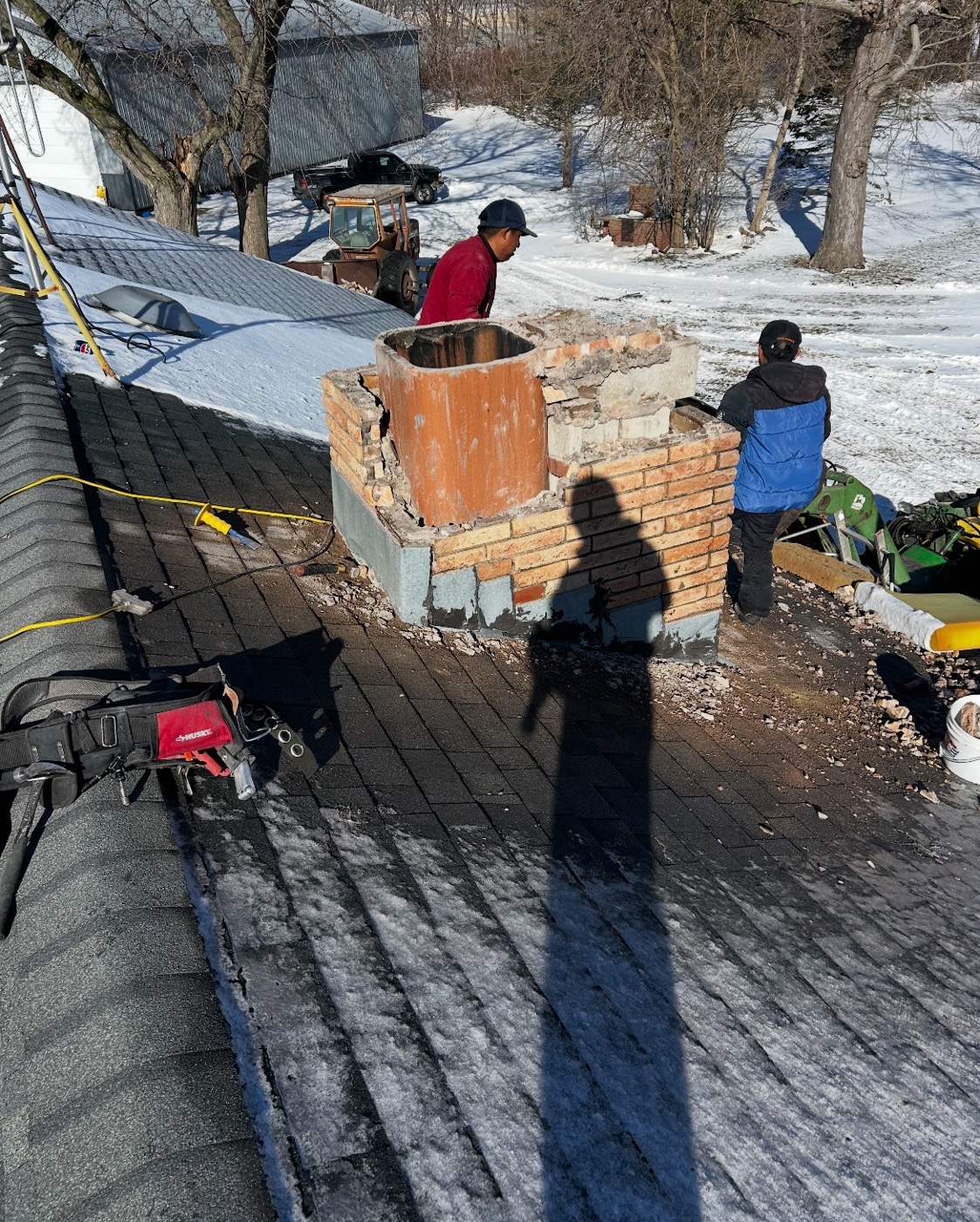
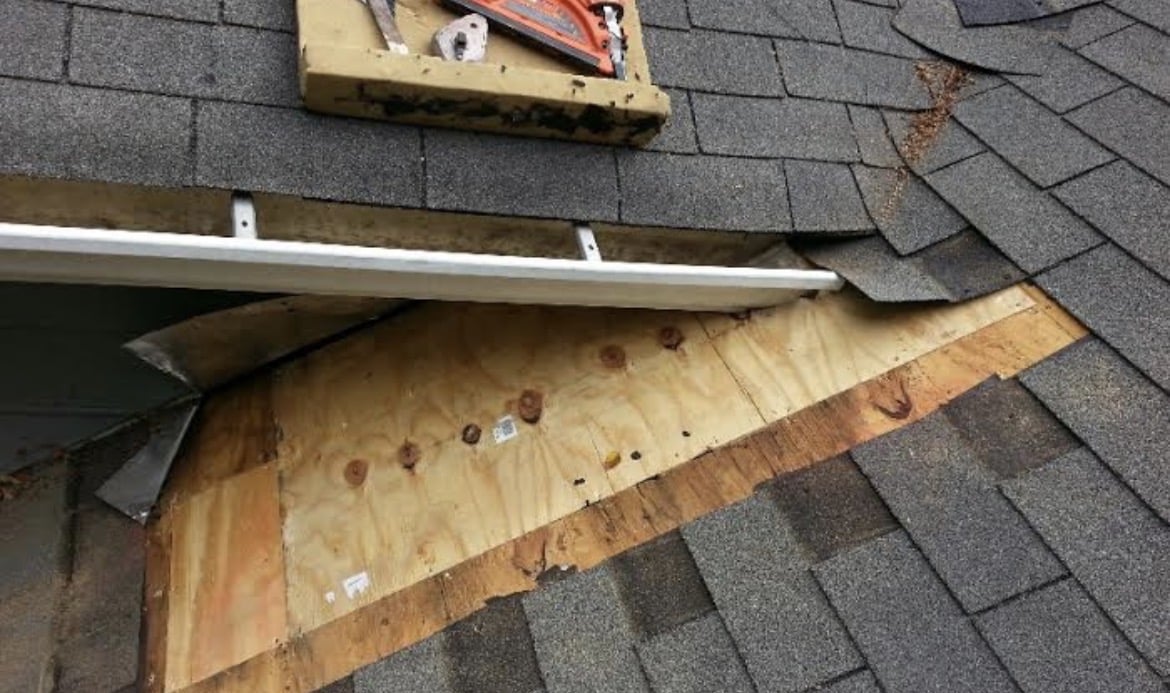
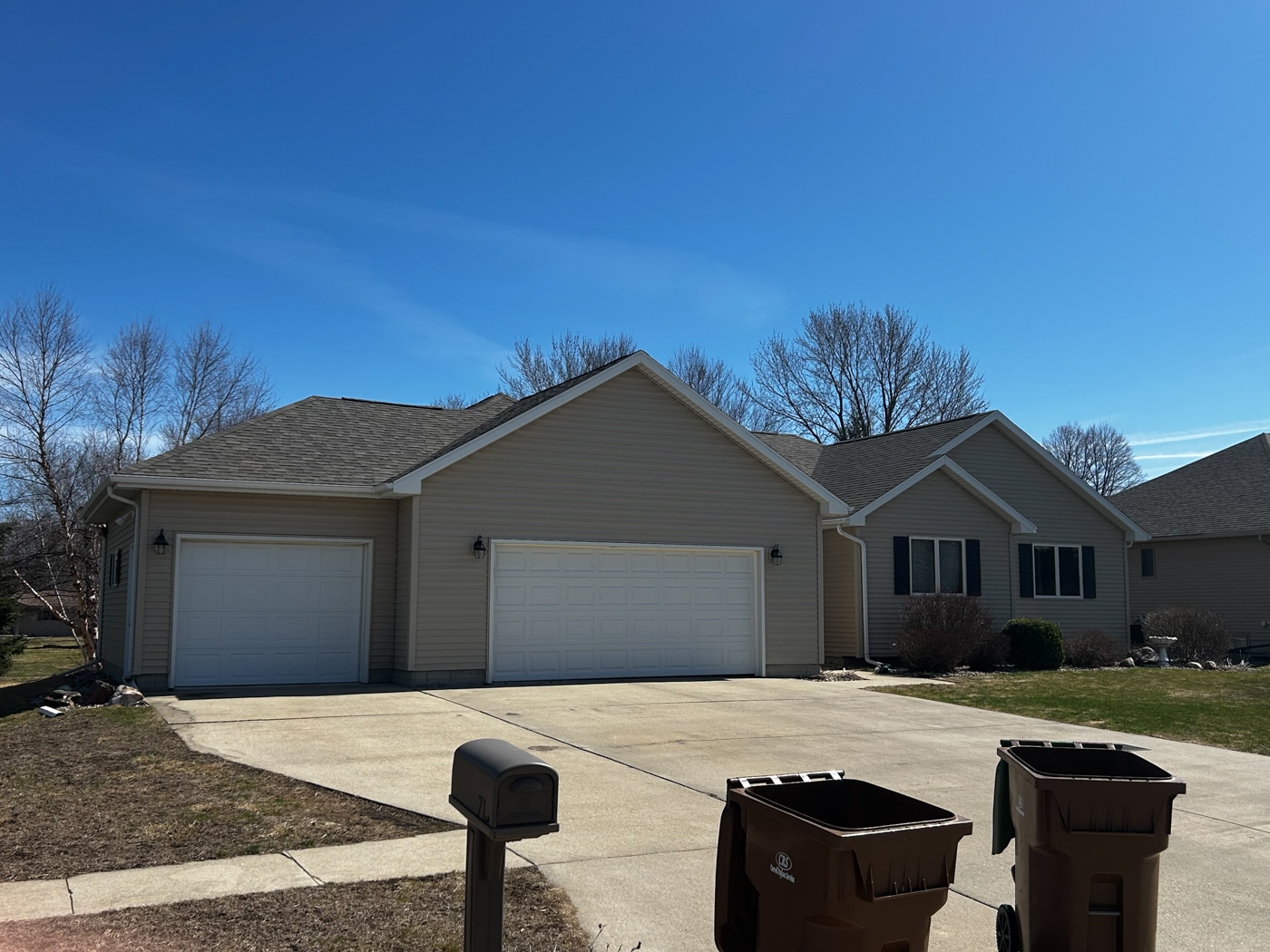
Robertson Roofing & Siding can look over the roof, explain what is visible, and recommend the right next step for repair, maintenance, or replacement.